1064 nm for dark ink
Nd:YAG at 1064 nm targets black and dark blue, and is gentler on darker skin.
We treat with Q-switched and picosecond lasers across 1064 and 532 nm, matched to your ink and skin over a planned series of sessions. Fading is not always complete, and individual results vary.
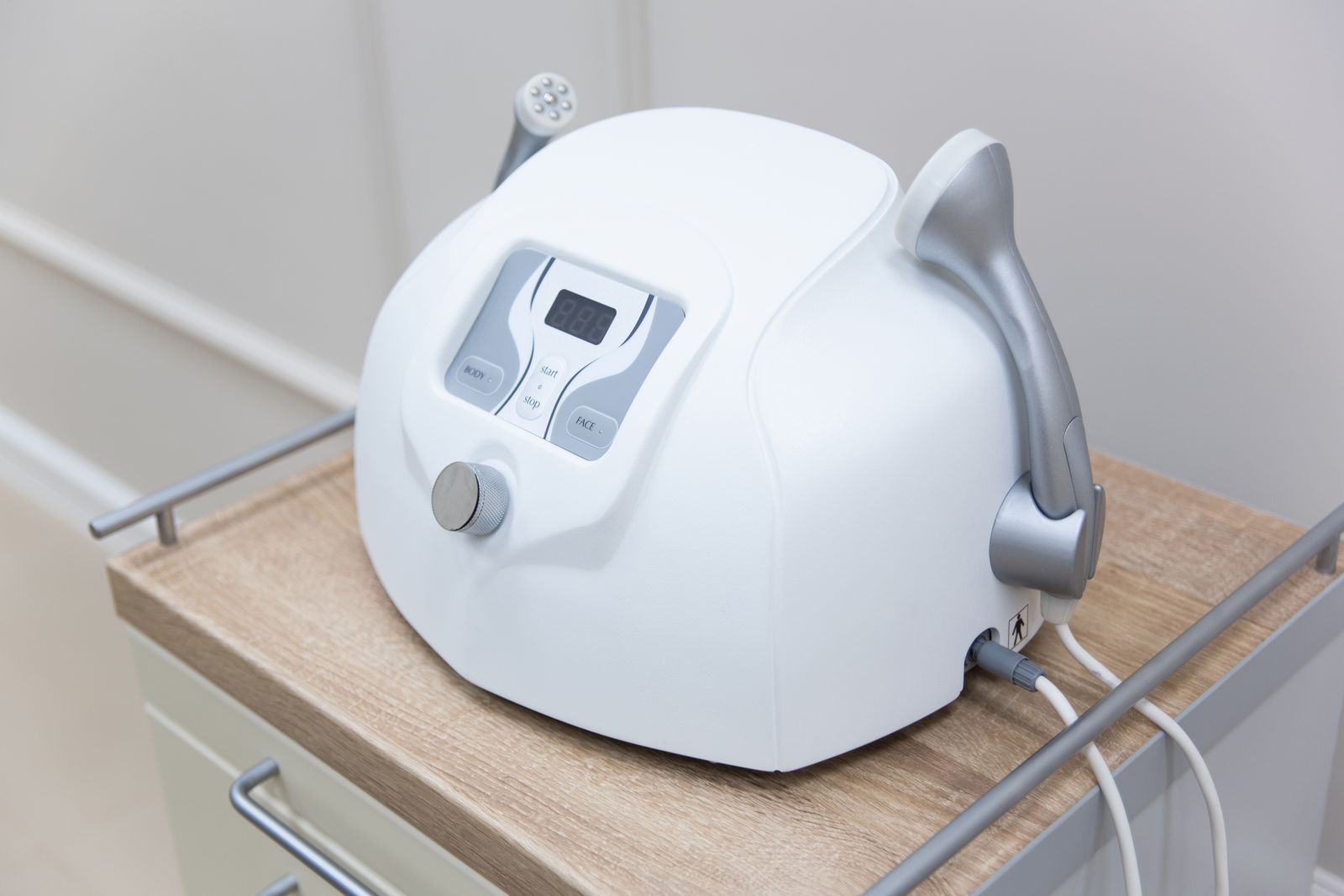
Ultra-short laser pulses fracture ink into fragments your body clears over weeks.
Nd:YAG at 1064 nm targets black and dark blue, and is gentler on darker skin.
532 nm is tuned for red, orange, and other warm pigments.
Your body clears the fragments gradually, so sessions are spaced weeks apart.
The reason some tattoos clear more readily is physics, not effort.
These pigments absorb 1064 nm efficiently and usually fade most predictably.
Some colors resist clearance and may fade only partially. We tell you before you start.
Most tattoos need several sessions, spaced weeks apart for clearance and recovery.
We show consented patient photography, not stock or simulated images.
Aftercare protects the result and lowers the risk of complications.
Follow the dressing and cleansing instructions, and do not pick or scrub.
Keep the area out of sun and use sunscreen; sun exposure risks pigment changes.
Report blistering, prolonged redness, or signs of infection promptly.
Most people describe each pulse as a sharp, hot snap, often compared to bacon grease. Cooling helps, and discomfort is brief.
Most tattoos need several sessions spaced weeks apart, depending on ink colors, depth, age, and location. Your provider estimates a range at consultation.
Laser treatment can significantly fade many tattoos, but complete clearance is not guaranteed. Some ink fades fully, some partially, and some leaves a faint shadow.
Yes. Black and dark blue absorb 1064 nm and fade most predictably; greens, yellows, and cosmetic inks are stubborn and may fade only partially.
Keep the area covered and clean, do not pick or scrub, and use strict sun protection. Report blistering, prolonged redness, or infection promptly.
Laser tattoo removal can significantly fade many tattoos, but it cannot promise a blank canvas. Outcomes depend on ink chemistry, depth, age, and skin type.
A consultation is required before treatment. We assess your tattoo and skin, review your history and medications, and patch test first. Some people are not good candidates, and we will tell you so. We also cover sessions, downtime, and risks, which can include swelling, blistering, scabbing, and pigment changes.
Book a consultation for a straight answer about what light can, and cannot, do for your tattoo.
Bring us your tattoo and your goal. We assess the ink and tell you whether removal is right for you.